
The first thing I must admit is that I didn’t feel like writing about housing again. Not because the problem has gone away, but precisely because it keeps getting worse.
A year ago, there was a widespread expectation that the housing debate would evolve—moving beyond oversimplified narratives towards more decisive and forward-looking action.
But not only have we failed to move forward—the situation has, in fact, deteriorated. When a society begins to accept as normal that an entire generation faces greater difficulty in accessing housing than their parents did, it is a clear indication that something fundamental is beginning to fracture.
We are operating within a kind of collective “Matrix”—a system in which it is often more comfortable to choose the blue pill: simplified narratives, convenient scapegoats, and a prolonged debate that avoids confronting the underlying realities of the housing market.
A narrative that allows us to continue attributing the housing challenge to landlords, investors, tourism, or even individual property owners—figures that are often too easily portrayed as symbols of a much more complex structural issue.
However, there is another option—the red pill: an approach that compels us to engage directly with the data, however uncomfortable this may be, and to pursue effective and sustainable solutions.
In the past year, housing prices in Spain have increased by approximately 12.7%. By contrast, real wage growth over the past three decades has barely exceeded 2.7% in real terms. This disparity highlights how housing affordability is deteriorating at a significantly faster pace than purchasing power is improving.
This structural gap is further compounded by a factor that rarely receives sufficient attention: the tax and regulatory burden.
Several analyses indicate that between 30% and 40% of a home’s final price consists of taxes, planning-related charges and administrative costs. In practical terms, for a property priced at €350,000, the total fiscal burden can amount to between €90.000 and €140.000.
Meanwhile, the property sector as a whole generates more than €52 billion annually in public revenues in Spain. This is not about questioning the need to fund essential services, but about raising a necessary and uncomfortable question: have we turned housing into a right to be protected, or into a resource to be exploited?
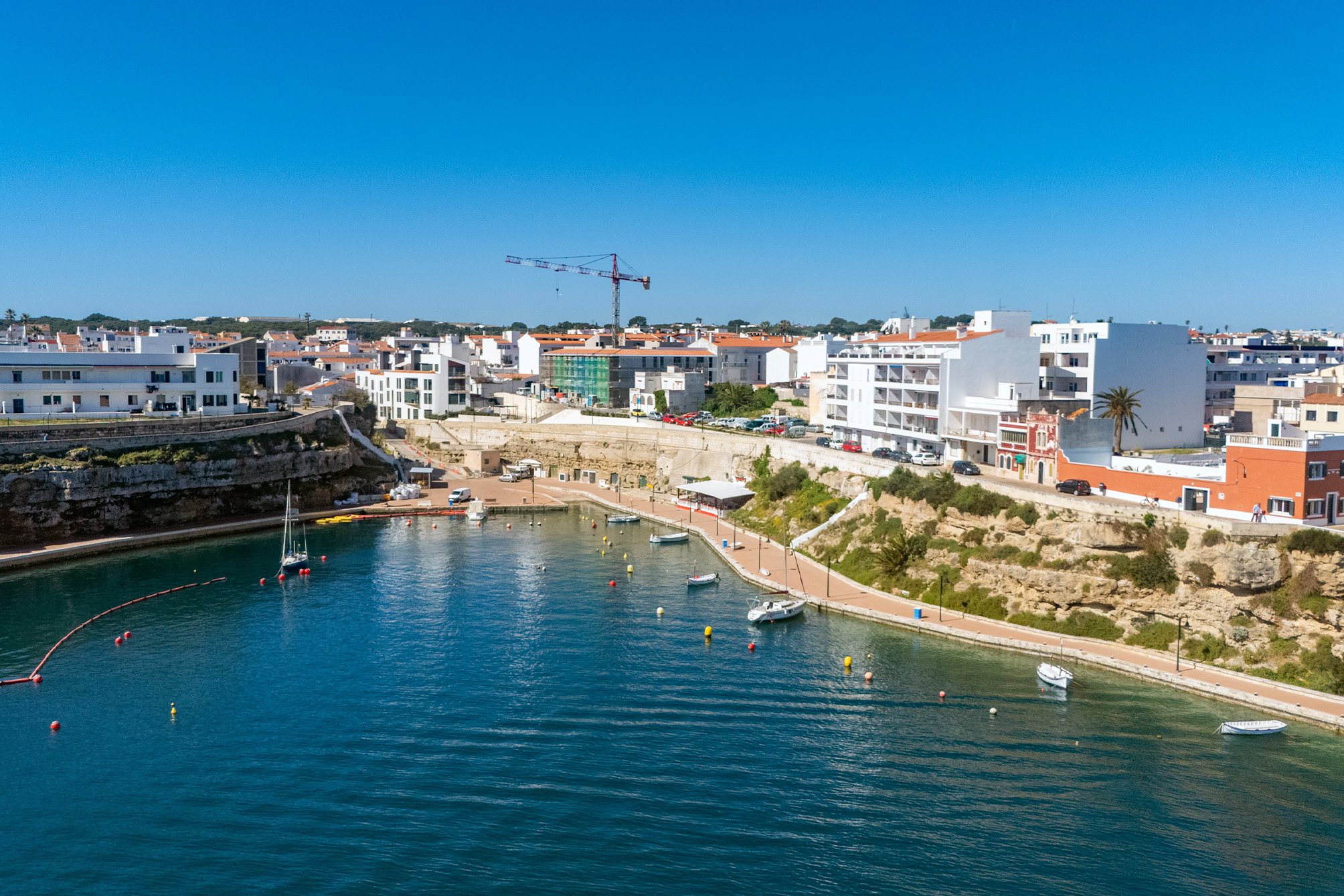
In island markets such as Menorca, this situation is particularly acute. The average gross annual salary is around €23,000, while average housing prices exceed €350,000 across many areas.
The share of household income required to access housing now exceeds 45%. This is no longer a temporary market imbalance—it represents a growing structural barrier to housing access.
However, the real issue lies not only in the numbers, but in their human impact. Increasingly, young couples are no longer asking about property prices, but whether they will ever be able to afford a home, while professionals are declining employment opportunities due to the lack of suitable housing.
Landlords are increasingly hesitant to let their properties amid legal uncertainty, while tenants face ongoing instability, with their housing security often dependent on decisions beyond their control.
Meanwhile, the public debate continues to deepen divisions—landlords against tenants, residents against tourists, investors against citizens—as though setting those who are part of the solution against each other were easier than assuming responsibility for effective governance.
Housing does not require more overly ideological narratives; it requires genuine legal certainty, an increase in supply supported by efficient and coherent planning processes, and a transparent review of the fiscal burden associated with accessing an essential good.
The solution is not straightforward, but it is far from impossible. What is truly challenging is stepping away from the comfort of the blue pill. Facing reality requires accepting responsibility and making decisions that do not always win votes, but are essential to building a sustainable future.
Today, that choice remains before us. We can continue debating who is to blame while the problem continues to worsen, or we can take the red pill—choosing to confront it directly, act decisively, and begin to address it effectively.
And you—which pill will you take?
Jose Pons, CEO Bonnin Sanso